

The Voice of the Silence
When the Image Travels Farther Than Its Rights
Introducing Rikki Reich: Photographer, Metapyxl Ambassador, and Lifelong Advocate for Photographers’ Rights
On the morning of September 11, 2001, Rikki Reich began photographing from Jersey City, across the Hudson River from Lower Manhattan. Working with a Nikon FM manual camera and a limited supply of film, she documented the unfolding attacks, the smoke overtaking the skyline, and people reaching New Jersey after being evacuated from Manhattan by boat.
The sixteen photographs became The Voice of the Silence, a black-and-white body of work documenting September 11 from the New Jersey side of the Hudson.
Reich has guarded these photographs carefully for more than two decades. How they are shown, reproduced, and distributed has always mattered to her.
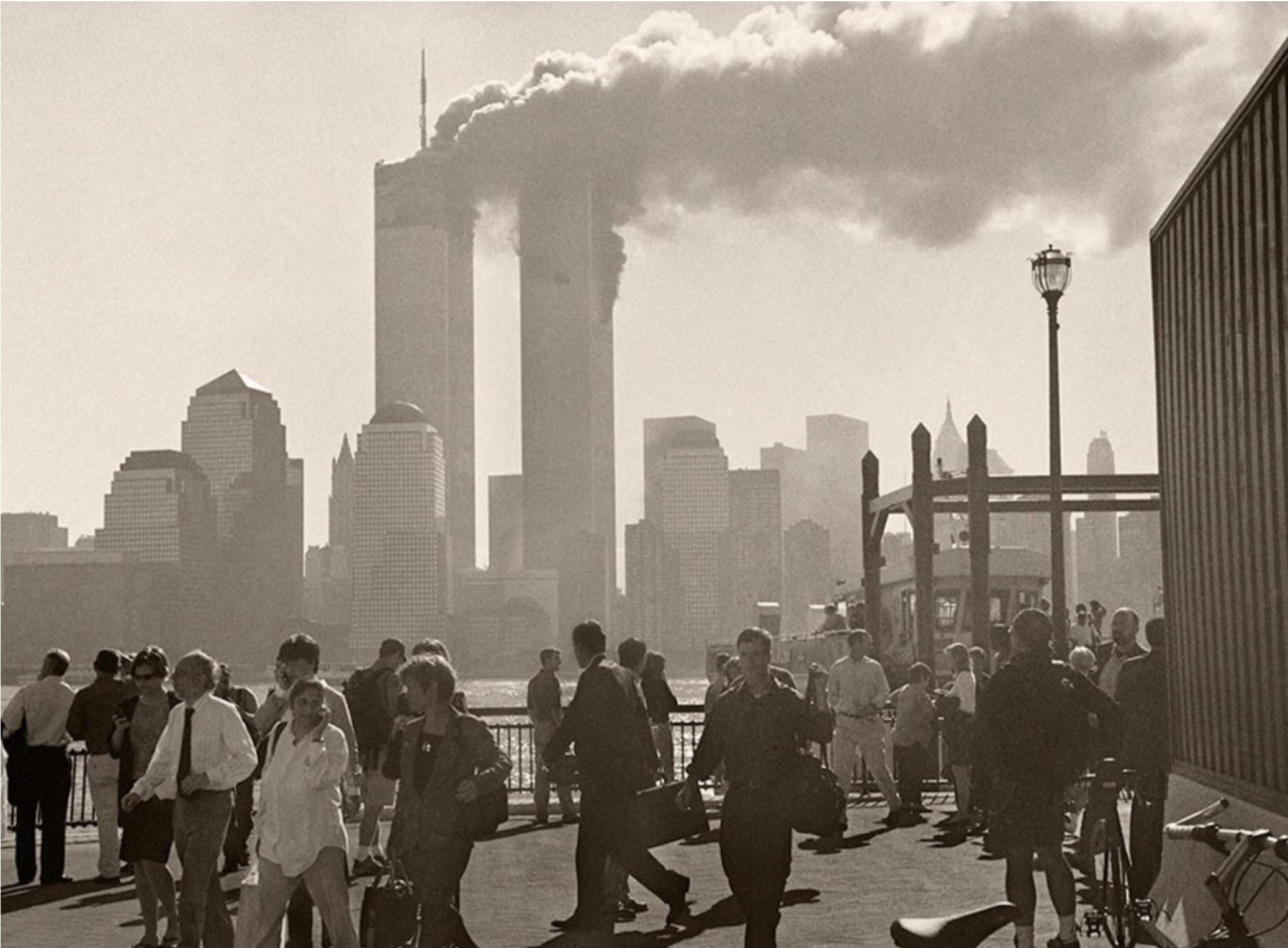
Exodus III
Twenty-five years later, the complete portfolio has never been exhibited in its entirety.
For Reich, the stewardship of this work is part of a much larger commitment. She has been a passionate, lifelong advocate for photographers’ rights and for photographers maintaining control over how their work is used.
That advocacy takes on new urgency as photography enters the artificial intelligence era. Questions of authorship, licensing, permission, provenance, and control increasingly affect not only individual photographers, but the photography community as a whole.
As Reich has put it:
“Copyright all your photographs as if your life depended upon it. It does.”
— Rikki Reich, The Daily Lobo, 2018
When the image travels farther than its rights
Digital distribution solved for the movement of the image, not the movement of the rights around it.
The pixels travel easily. Attribution, provenance, licensing terms, and permissions do not.
A photograph can be copied, reposted, stripped of metadata, cropped, resized, compressed, or captured in a screenshot within seconds. Each new copy can move another step away from the person who made it.
The image may remain perfectly recognizable while the information governing it disappears along the way.
Provenance can help tell us where an image came from. It does not, by itself, tell us whether a particular use is permitted.
For work with historical significance, that separation is consequential. It affects authorship, interpretation, licensing, and the photographer’s ability to understand where and how the work is being used.
Today, licensing and permissions for The Voice of the Silence are handled directly through Reich. That gives her close control over individual requests. But once an image begins circulating independently, the image can travel much farther than that direct relationship can follow.
That is the point of connection with Metapyxl.
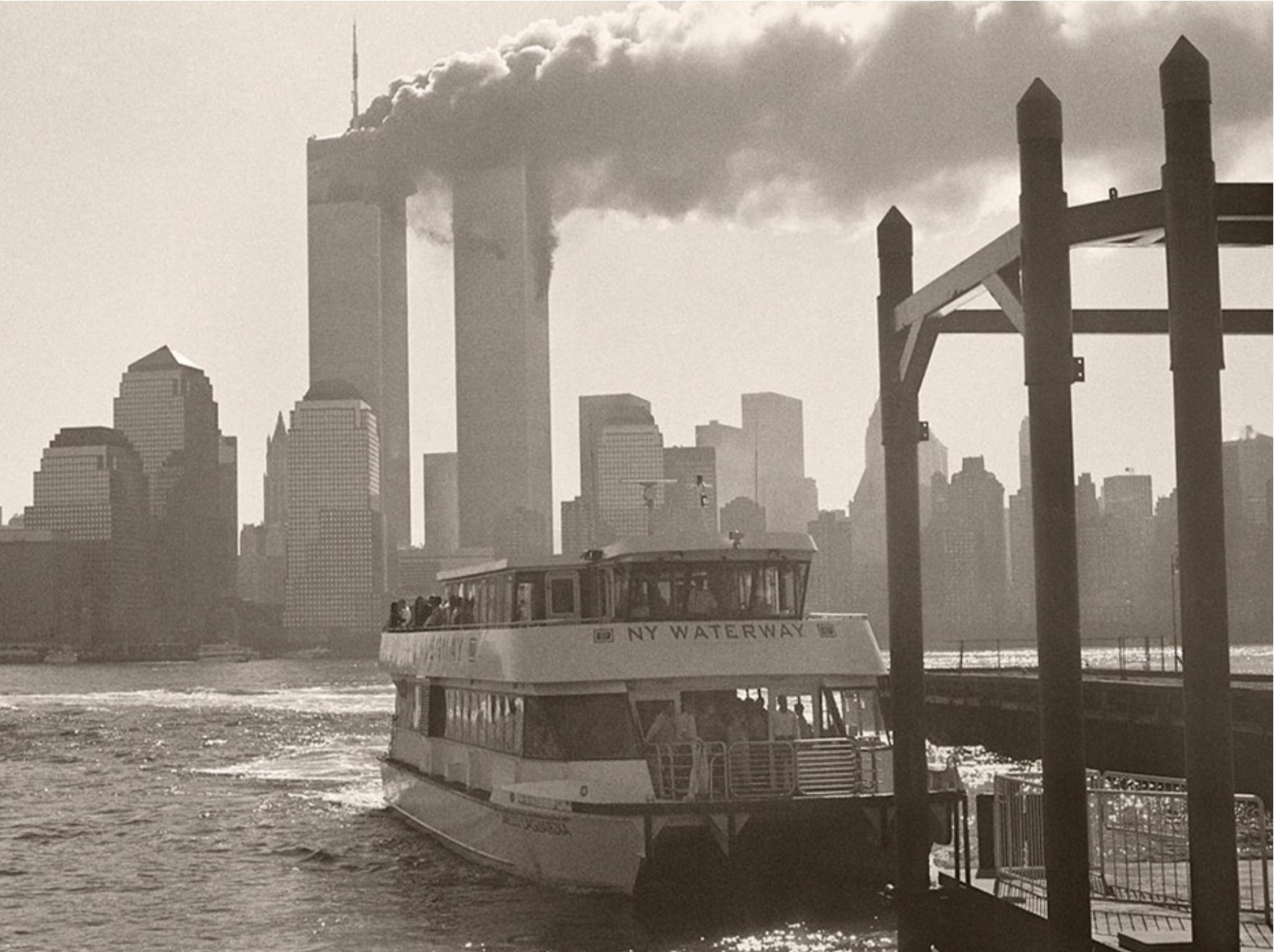
The Haven
The image can travel. Its rights should not disappear.
Copyright registration remains fundamental. Metapyxl does not replace it.
What Metapyxl addresses is what happens after a photograph begins to travel.
As part of this Featured Work collaboration, selected photographs from The Voice of the Silence are being protected through Metapyxl. Each protected image is associated with a persistent rights record containing information about ownership, provenance, licensing, permissions, and usage.
An invisible forensic watermark provides a durable identity within the image itself. That identity is designed to remain detectable through common transformations including cropping, resizing, compression, and screenshots, without visibly changing the photograph.
When a protected image is detected, Metapyxl can reconnect it to its rights record and help surface where it appears online. The record remains the authoritative source for the rights and context associated with that protected image, rather than relying solely on embedded metadata that may disappear during distribution.
Metapyxl does not create the copyright in these photographs, and technology does not replace Reich’s judgment about how the work should be used.
Its purpose is narrower: to help preserve the connection between an image and the rights governing it at the point where that connection is most easily lost.
Protecting the work without changing the work
Nothing visible has been added to Reich’s photographs.
The watermark is invisible. The photograph remains the photograph.
That distinction matters for a body of work whose visual presentation Reich has controlled so carefully. The technology sits beneath the image rather than competing with it.
Protection is not meant to change the experience of viewing the photograph. It gives the photograph another way to remain connected to its identity and rights after it leaves the environment in which it was originally published.

The Voice of the Silence
Held in the record
The Voice of the Silence debuted at The AIPAD Photography Show in New York in 2012.
Photographs from the portfolio are represented in the collections of the Smithsonian’s National Museum of American History, the Library of Congress, and the National September 11 Memorial & Museum.
The work has entered collections, publications, and the historical record. Its movement is part of its life as photography.
The question is what else moves with it.
A different way to put important work back into circulation
Protecting The Voice of the Silence is not about restricting access to history.
It is about recognizing that access and authorship are not the same thing.
A photograph can become widely seen without ceasing to have an author. Historical importance does not erase ownership. And knowing where an image came from is not the same as knowing what someone is permitted to do with it.
Twenty-five years after the photographs were made, The Voice of the Silence continues to enter the world.
As the images travel further, their authorship and rights should not be left behind.
About the portfolio
The complete sixteen-image portfolio of The Voice of the Silence is presented by Rikki Reich on Visura.